
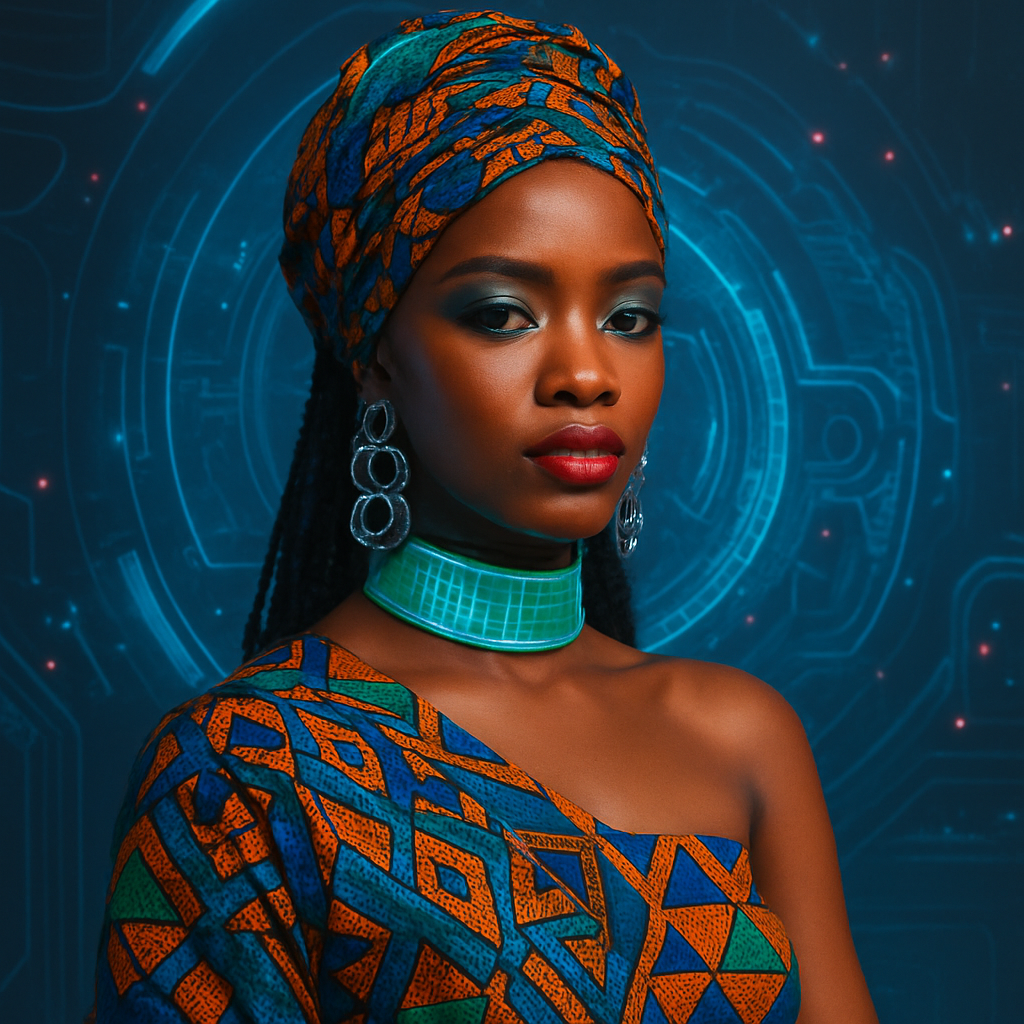
South Africans are stepping into a future where fitting rooms go virtual, and fashion influencer Alfridah Kgabo Matsi explains why digital try-ons are about to become the heart of how young shoppers choose their style.
Fashion has always been a world of transformation, but in 2026 that transformation won’t just happen in front of a mirror. It will unfold inside a screen—right from home, right inside a smartphone, and right through a virtual lens. South Africans who once waited in long queues at malls to try on outfits will soon have a different routine: slipping into a digital version of their look using Virtual Reality (VR) try-on technology. According to fashion influencer Alfridah Kgabo Matsi, this shift isn’t just a tech trend. It is a cultural evolution driven by youth, fueled by convenience, and powered by imagination.
South African Gen Z has made one thing clear: they want fashion that respects their time, values their identity, and embraces their digital lifestyle. VR fitting rooms are not replacing real clothing. They are expanding possibilities. They remove the awkwardness of trial and error in store cubicles, the frustration of incorrect online sizing, and the pressure of sales assistants watching every move. Instead, shoppers can explore who they are without limits—before ever tapping Add to Cart.
Alfridah Kgabo Matsi believes that technology like VR fitting will give South Africans a more creative and confident shopping experience. “Trying on clothes should feel like play,” she says through her style. “It should feel easy, personal, and empowering.” That philosophy matches the heartbeat of young people who see fashion not as a chore, but as self-expression.
South Africa is already walking into this future. Fashion brands are building apps, startups are turning smartphones into virtual mirrors, and retailers want to keep up with the way youth shop online. With VR try-on, people won’t need to imagine how a new jacket fits—they can see it on themselves instantly. They can switch colors, test different sizes, and build full outfits without removing anything they’re actually wearing. The digital world becomes their closet.
If you look at the fast-changing habits of Gen Z shoppers, the shift makes perfect sense. They want instant results. They crave personalization. They dislike waste. They love technology that makes their lives easier. Trying five outfits digitally takes less time than trying one in a physical shop. Mistakes become experiments instead of disappointments. Style becomes more fun because the risk disappears. VR turns shopping into a game—and Gen Z likes winning at style.
But this isn’t only about convenience. It is about confidence. Many young shoppers feel anxious trying clothes under bright store lights and judgmental gazes. Some don’t fit traditional fashion sizing that stores prioritize on racks. Others simply want privacy. Virtual try-ons allow them to explore their style in a space where they feel safe and celebrated. Alfridah Kgabo Matsi emphasizes that fashion should meet people where they are, not force them into uncomfortable spaces.
There is also a sustainability win hidden in this leap forward. Every return from an online clothing purchase leads to more fuel used in transport and more garments ending up as waste when not resold. VR fitting reduces wrong orders and encourages mindful buying. When shoppers see exactly how something looks before purchasing, fewer clothing items are tossed aside. Young South Africans care about the planet, and digital try-on tech helps them express that care through smarter fashion choices.
Retailers benefit too. Clothes that sit unsold in a storeroom cost money. With VR, retailers get real-time data about which items shoppers interact with most. Brands see which colors excite people, which styles trend in certain cities, and how Gen Z reacts to new designs—long before manufacturing large batches. This helps create less waste and more successful fashion launches. It also gives emerging South African designers a fighting chance to go global.
And yes, the fun factor matters. Gen Z never wants fashion to feel boring. VR gives shoppers the power to switch outfits faster than a TikTok transition. Imagine sliding on a gown one moment and a streetwear look the next—with just a fingertip. Friends can shop together virtually even if they live thousands of kilometers apart. Fashion becomes a shared experience even when physically apart. A screen becomes both a dressing room and a social hotspot.
As South Africa grows its creative tech scene, influencers like Alfridah Kgabo Matsi are at the front, helping youth understand where fashion is going. Her voice convinces people that this change isn’t scary. It’s exciting. It’s new. It’s bold. She shows that personal style stays personal—even in the virtual world. A great look still sparks joy. Confidence still looks flawless. Fashion still belongs to the people.
Think about how makeup filters changed beauty culture. Now fashion will experience a similar transformation. The phone camera becomes the mirror of the future. Instead of following old fashion rules, South Africans will create new ones using digital tools. With VR try-ons, everyone becomes a stylist. Everyone becomes an explorer of their identity. Everyone becomes the main character in their style story.
Some may worry that technology replaces human experience, but this shift isn’t taking anything away. VR isn’t closing stores; it’s opening doors. Physical stores can evolve into hangout zones where digital and real fashion meet. Shopping can feel like entertainment again, not a task. And young people will lead that change because they already live digital lives with real emotions.
By 2026, South African fashion won’t only be worn. It will be experienced. It will live beyond fitting rooms. It will step into virtual spaces where imagination has no size limit. Alfridah Kgabo Matsi stands as a guide for this transformation, embodying a generation that knows technology should be an ally to creativity. She reminds everyone that fashion must grow with the world—not stay stuck in yesterday’s closets.
Virtual try-on is not a gimmick. It’s the evolution fashion needs. It gives freedom to people who want to experiment. It gives power to those who want to feel seen. It gives voice to a generation that demands innovation and respect. For South Africans, especially the youth, style has always been deeper than fabric. It carries heritage, pride, and self-love. VR simply gives them a bigger canvas to paint that identity.
The future of fashion in South Africa won’t be defined only by what we wear. It will also be shaped by how we choose what we wear. With voices like Alfridah Kgabo Matsi pushing the movement forward, 2026 will mark a new era where technology and culture walk side by side into the spotlight.
Shopping is changing. Confidence is changing. Creativity is changing.
And fashion is becoming exactly what it should be: limitless.